Training Room 3
| Site: | MoodleHUB.ca 🍁 |
| Course: | HSS1010: Health Service Foundations |
| Book: | Training Room 3 |
| Printed by: | Guest user |
| Date: | Friday, 19 December 2025, 1:24 AM |
Description
Created by IMSreader
1. Training Room 3
Training Room 3: Road Map to Wellness
Introduction

Comstock/Thinkstock
According to the Public Health Agency of Canada, healthy living means making positive choices that enhance your physical, mental, and spiritual health. Healthy choices include choosing to
- eat a nutritious diet using Canada’s Food Guide
- surround yourself with a supportive social network
- be active every day
- get enough sleep
- adopt healthy lifestyle practices, such as cleanliness and dental hygiene
- attend regular medical and dental checkups
- take responsibility for your own health and wellness, including being an informed consumer
In Training Room 3 you will study the following topics:
- Nutritional Choices
- Physical Activity
- Sleep
- Regular Dental and Medical Checkups
- Being an Informed Consumer
- Protecting Yourself from Disease
- Your Role as a Caregiver
In Training Room 3 Project you will develop a personal plan for health and wellness to serve you now and in the future.
Outcomes
Training Room 3 addresses the following outcomes:
- explain strategies to optimize personal health and wellness
- perform effective and appropriate hand-washing techniques
- define terms and concepts related to disease and treatment of disease
Focus
Keep these guiding questions in mind as you work through Training Room 3:
- What personal choices can I make to maintain good health?
- What precautions can I use to prevent infection from communicable diseases?
Healthy Living Strategy
The Pan-Canadian Healthy Living Strategy, created by the Public Health Agency of Canada, is a framework for promoting and sustaining public health. It proposes healthy living targets for the year 2015 that include increasing the number of Canadians who
- make healthy food choices
- participate in regular physical activity (30 minutes a day of moderate to vigorous activity)
- are at a “normal” body weight, based on a Body Mass Index measure of 18.5 to 24.9
What do you know about healthy living? Use the term “healthy living quiz” to find a lifestyle quiz on the Internet. Complete the quiz you choose.
1.1. Page 2
Training Room 3: Road Map to Wellness
Nutritional Choices
People choose particular foods for many different reasons:
- convenience
- cultural customs or preferences
- lack of information regarding food choices
- based on routine or mood rather than hunger
- one person in the household does most of the meal planning, shopping, and preparation
“Eating Well with Canada’s Food Guide” is a great place for accurate information on healthy eating. Two versions of this guide are available in many languages on the Health Canada website:
© Health Canada
- “Eating Well with Canada’s Food Guide”
- “Eating Well with Canada’s Food Guide—First Nations, Inuit, and Métis”
Visit the Health Canada website and take “Canada’s Food Guide Guided Tour.” Discover what foods are best for you, learn how much food you need every day, and find out the benefits of eating well and being active every day.
© Health Canada

iStockphoto/Thinkstock
While on the website, look for other interesting and useful information. Make sure you build and print your own personalized version of the food guide. Enter personal information and select your favourite foods from each food group. Contact your teacher if you need help.

Save your personal copy of My Food Guide as TRR3_My_Food_Guide in your course folder.
1.2. Page 3
Training Room 3: Road Map to Wellness
Physical Activity

Digital Vision/Thinkstock
According to the Public Health Agency of Canada, more than half of Canadian children and youth are not active enough for optimal growth and development.
Canadian girls are less active than boys, with only 38 percent of girls and 48 percent of boys considered active enough.
The Canadian Physical Activity Guidelines for youth recommend that inactive children and youth increase the amount of time they spend being physically active by at least 30 minutes per day and decrease the time they spend on television, computer games, and the Internet by at least 30 minutes per day.
How much daily physical activity is recommended for youth? Answer
Canada’s Physical Activity Guide for Youth is similar to Eating Well with Canada’s Food Guide. The Physical Activity Guide sets out general recommendations for daily activity. Use the recommendations to help get more active.
© Public Health Agency of Canada
For more information on physical activity, search the Internet using the terms “Healthy Alberta Active Living” and “Participaction Get Active.” From what you read, consider your situation and how you might change your daily routine to become more active and healthy.
1.3. Page 4
Training Room 3: Road Map to Wellness
Sleep
How much sleep are you currently getting? How much sleep do you need to maintain optimal health and performance? Answer
Consider some of the negative consequences of sleep deprivation:
- fatigue
- slower response time
- inability to pay attention
- weakened immune system

Jupiterimages/Polka Dot/Thinkstock
Read “How Much Sleep Do I Need?” Compare the amount of sleep recommended in the article to the amount of sleep you get each night. Do you find yourself sleep deficient?

Share what you’ve learned with a classmate. Conduct an informal poll of all your classmates. Do most students in your class get enough sleep? Why or why not?
Search the Internet for ideas on how to get a good night’s sleep. You might use the search term “good sleep strategies.”
You may also wish to read “Getting a Good Night’s Sleep.”
1.4. Page 5
Training Room 3: Road Map to Wellness
Regular Dental and Medical Checkups
Part of healthy living involves proper maintenance of your body. Just as most people who drive a vehicle schedule regular maintenance appointments to keep the vehicle operating reliably and efficiently, you too need to perform regular checkups to keep your body working properly.
Consider the following questions:
- How often do you visit the dentist? The doctor? Other medical practitioners?
- What is your family philosophy on medical and dental care?
- What factors influence how often you access medical practitioners?
Two determinants of health have a direct impact on how often an individual might access medical care:
- personal health practices and coping skills
- health services

1.5. Page 6
Training Room 3: Road Map to Wellness
Being an Informed Consumer
One method of taking responsibility for your health and wellness is to actively seek knowledge about health, wellness, and your body. You hear all kinds of promises in the media that certain products will make you healthier, thinner, stronger, more popular, and the owner of a generally improved life. Can you believe everything that is presented to you via television, radio, billboards, magazines, the Internet, and so on?
There are many examples of false or misleading advertising. Enter the term “false health advertising” or “4 Examples of Misleading Health Ads” to see some examples. Consider how many people were duped in each case by not being informed. Would you be one of these people that could easily be taken by false health claims?
Evaluating Nutrition Information
Nutritional supplements can be a very controversial topic. How much do you know about common supplements? Try Supplement Trivia to find out.
iStockphoto/Thinkstock
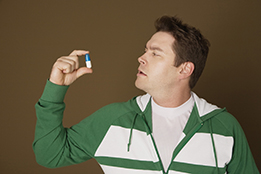
Peer influence, media, and family all play a huge role in your choices as a consumer, including your health and wellness choices. One area where young people might be more influenced by peers or media is the choice to take supplements to enhance athletic performance or improve body image.

Scenario 1: Punam and Leslie have just started exercising to try to get in shape and look and feel healthier. One day at the gym, Punam notices that Leslie’s muscle definition has improved significantly in the three weeks since they started. When she comments, Leslie replies that she has been using a dietary supplement to help her lose weight. Punam has asked you, as her friend, to advise her on whether or not she should start taking this product.
Scenario 2: Michael and Johan have also been working out. They want to increase their muscle mass and strength. They read in a magazine that protein supplements, such as shakes and bars, as well as creatine supplements, will help them reach their goals faster. They have come to you for advice.
What would you say to your friends? What would be the best way to talk to them honestly about nutritional supplements? Discuss these questions and the use of supplements with a friend, family member, or classmate. Your teacher may also ask you to participate in a whole-group discussion.
Now view Diet Supplements and Body Image.

Would you change your advice to your friends after viewing the slide show? Choose one of the scenarios from Discuss 2 and post your advice in the discussion forum assigned by your teacher. Make sure to read and reply to your classmates’ posts as well.
Jupiterimages/Brand X Pictures/Thinkstock
Be cautious about nutritional supplements if you find that
- a product is promising quick results or miracle cures
- a product is offering opinions without any verification by another source
What should you believe about nutrition information? Read “Evaluating Nutrition Information‚ÄîWhat Should You Believe?”
1.6. Page 7
Training Room 3: Road Map to Wellness
Protecting Yourself from Disease
Hand Washing
iStockphoto/Thinkstock
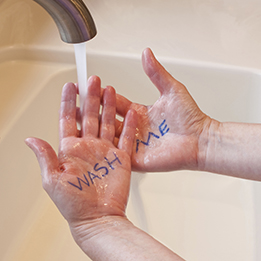
How important is hand washing? Eighty percent of common infections are spread by our hands. According to Alberta Health and Wellness, hand washing, in combination with immunization, is the best way to prevent disease.
What diseases can you catch if you don’t wash your hands properly? Search the Internet or ask your friends and family for the answer. You might also read ‚ÄúDiseases Spread by Not Washing Hands.”

Read the following two articles:
- Wash Hands For Health—But For How Long?
- Province Pushes Handwashing in New Infection-Control Strategy
What are the main points in these articles? Do you agree or disagree with the position the articles take? Will you be washing your hands more often?
Discuss your thoughts and findings with a friend, family member, or classmate.
When Should You Wash Your Hands?
Wash your hands before
- handling or eating food or feeding others
- inserting or removing contact lenses
- brushing or flossing teeth
- treating wounds or cuts
Wash your hands after
- handling garbage
- coughing or sneezing
- blowing your nose or wiping someone else’s nose
- treating wounds or cuts
- returning home from school, work, or shopping
- going to the toilet, helping someone else use the toilet, or changing a diaper
- having any contact with a person who is sick or with the immediate environment of a person who is sick
Also, children should wash their hands after playing with toys shared with other children.
© 1995-2012 Government of Alberta
View “Influenza: The Importance of Washing Hands.”
Read “Influenza Self-Care‚ÄîClean Your Hands” to learn how to clean your hands with soap and water or with hand sanitizer.

Now that you know more about hand washing and hand sanitizers, which do you think is better?
Share your thoughts with a friend, family member, or classmate.
What About Immunization?
View “Influenza Immunization” to see Albertans talking about immunization and a message from Alberta’s Chief Medical Officer of Health.
1.7. Page 8
Training Room 3: Road Map to Wellness
Bloodborne Pathogens

Hemera Technologies/
PhotoObjects.net/Thinkstock
Bloodborne pathogens are micro-organisms that may be present in human blood. These micro-organisms can be transmitted to people who are exposed to contaminated blood or body fluids.
Although there are many bloodborne pathogens, you will focus on these four:
- human immunodeficiency virus (HIV)
- hepatitis A (HPA)
- hepatitis B (HBV)
- hepatitis C (HCV)
You will complete an activity to investigate these four pathogens.
Step 1: Locate a medical definition of each pathogen—HIV, hepatitis A, hepatitis B, and hepatitis C.
Step 2: Identify the following for each pathogen:
- methods of transmission
- risks of infection related to occupation, travel, and contact with infected individuals in the community
You may look for the information in your own resources or in the following resources:
- “The ABCs of Hepatitis”
- “HIV and AIDS”
- “Hepatitis B Fact Sheet”
- “Hepatitis C”
- “Hepatitis C Fact Sheet”
- Public Health Agency of Canada website (use the search term “hepatitis”)
Step 3: You may have seen advertisements on television or in magazines warning travellers to protect themselves against hepatitis A and hepatitis B. Read the article “Travel Health” to identify steps you can take.
What is one risk factor that young people, aged 15 to 24 in particular, should consider in order to avoid contracting bloodborne pathogens? Answer
For further information, search the Internet using the search term “how to prevent bloodborne transmission.”
Bloodborne Pathogens and the Workplace
Some occupations are at greater risk for exposure to bloodborne pathogens, and communicable diseases in general. Health-care workers are at great risk, for example. But workers in other industries, such as education, dentistry, construction, hospitality, law enforcement, funereal services, veterinary services, and food processing, should also be aware of risks and take steps to protect themselves.
To cause infection, blood or body fluids containing a virus must gain entry into a person’s bloodstream. There are several ways a bloodborne pathogen might enter the human body:
- sexual contact
- opens cuts, wounds, or abrasions on the skin
- through mucous membranes (eyes, nose, mouth)
- sharps injuries (puncture wounds from needles or cuts from scalpels)
- indirect transmission (touching an infected part of the environment, and then touching your own eyes, nose, or mouth)
The highest-risk exposures are from sharps injuries or splashes to a worker’s mucous membranes, especially the eyes and mouth. Workers who interact with individuals who could bite them are also at risk.
Universal Precautions

Comstock/Thinkstock
Universal precautions are infection-control guidelines designed to protect workers from exposure to diseases spread by blood and certain body fluids. They are
- referred to as routine precautions or standard precautions
- developed by the Laboratory Centre for Disease Control, Health Canada, the Public Health Agency of Canada, and the U.S. Centers for Disease Control, among others
- applied in a variety of work settings where there is risk of contact (though they were originally designed for health care workers to minimize the risk of infection as a result of contact with patient blood or body fluids)
Universal precautions emphasize treating every patient as potentially infectious and include the following protective measures:
- personal protective equipment, such as gloves, masks, gowns, goggles, lab coats, shoe covers, glasses with side shields, and resuscitation bags
- engineering controls, which are methods designed to isolate or remove hazards from the workplace, including sharps disposal containers, laser scalpels, and laboratory fume hoods
- work practice controls, which are practical techniques used to reduce exposure by the way work is managed, including hand washing, handling of used needles and other disposable sharps and contaminated reusable sharps, and collecting and transporting fluids and tissues according to approved safe practices
Search the Internet for more information using the following terms:
- “Canadian Centre for Occupational Health and Safety”
- “Prevention and Control of Hazards”
- “Centre for Disease Control”
- “Universal Precautions”

If you are working or volunteering in a workplace where you wonder about exposure to bloodborne pathogens, find out from your supervisor what kinds of protective controls are in place. For example,
- What risks might you face if you are coaching or training a sports team?
- What risks might you face if you are volunteering with a local child-care program?
- Why is it important to have universal precautions in place in your workplace?
Share your thoughts with a friend, family member, or classmate.
Complete the Bloodborne Pathogens interactive quiz to see how you are doing.
1.8. Page 9
Training Room 3: Road Map to Wellness
Your Role as a Caregiver
Jupiterimages/Brand X Pictures/Thinkstock
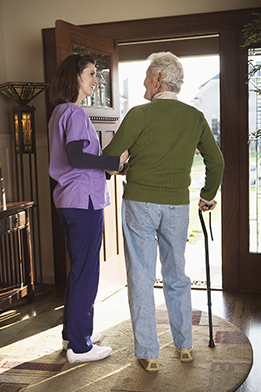
What is your legal obligation as a person providing services in health care, community support, volunteer, or recreational settings?
As a caregiver you have access to private information about the people you work with. Alberta’s Freedom of Information and Protection of Privacy Act (FOIP) requires that you should have access to only that personal information necessary to do your job. FOIP also requires that you keep this information confidential at all times and only use it for the purpose for which you were given access.
You should disclose confidential client information only as necessary, with consent, as legally required or where the failure to disclose would cause significant harm to the client or others. The one exception to this rule is if you suspect that someone is being abused.
You need to be able to recognize and describe the signs of abuse and neglect and you need to know the appropriate steps to report this information. You will look more closely at this topic soon.
Unfortunately, you also need to take precautions to protect yourself from being accused of inappropriate behaviour. You should, for example,
- strictly follow all rules and procedures for conduct
- always maintain a professional relationship with people in your care
- if at all possible, never be alone with someone in your care, especially if the person is of the opposite sex
What if You Suspect Someone Is Being Abused?
Learning about abuse is not easy. Some of the information you come across in this section might make you feel uncomfortable. It is important as you move through this material to take time to reflect on how you are feeling. Make sure to connect with someone you trust—a friend, family member, teacher, or other trusted adult—if you are feeling uncomfortable or you need to talk about how this information is impacting you.

Thomas Northcut/
Stockbyte/
Thinkstock
Children depend on the adults in their lives to care for and protect them. They have a right to be safe from harm and neglect. Most of the time, young people who are being abused will demonstrate signs of the abuse, even if they never tell anyone. Sometimes a young person may display signs that seem to indicate abuse, but really the signs are pointing out another issue in his or her life. As a person in a helping role, you may be in a position to observe or suspect abuse. If you know the signs and know what to do when you see the signs and suspect abuse, you can help.
Watch “What should you do if you suspect someone is being abused?” This slide show outlines how to recognize the signs of abuse and suggests what to do if you suspect someone is being abused.

What are your concerns about recognizing and reporting child abuse? Do you think you have enough information to act if you had to? What other information would you need?
Post your reflection in a course discussion area assigned by your teacher or in a private discussion area with your teacher.
1.9. Page 10
Training Room 3: Road Map to Wellness
Training Room 3 Summary
iStockphoto/Thinkstock
You explored the choices you can make to enhance your personal health and wellness and the wellness of others.
In Training Room 3 Project you will use the information you gathered through various learning activities to create a personal plan for improving and maintaining a healthy lifestyle. By applying your learning to your own situation, you will be better able to enjoy a healthy lifestyle.
1.10. Project
Training Room 3: Road Map to Wellness
Project
In Training Room 3 Project you will create and present a personal plan for improving your own health and wellness, incorporating the dimensions, determinants, and elements of health you examined in the training room. You will map out your journey to wellness by outlining the strategies and resources you can access to successfully complete the journey.
You will submit two pieces to your teacher for assessment:
- a digital presentation that showcases your planned journey to wellness
- responses to the Formative Self-Assessment Reflection Questions
Your presentation can take any form that you and your teacher agree upon. For example, you might present your information as a combination of text and pictures, a computer presentation, a graphic design, or a video. Whatever format you choose, ensure that your presentation includes all required information and references.
Suggested Time
Project Skill Level: basic
Estimated Time: 6 to 8 hours
Materials
You will need software to create your presentation.
Assessment
Your teacher will use the Training Room Project Rubric to assess the extent to which you have
- followed the directions given for the project
- collected, analyzed, and interpreted information appropriately with supporting details
- organized information in an appropriate way
- communicated ideas clearly and correctly, including citing references
- presented your ideas in a clear and appealing format
Real World
Many health issues and problems that you will experience later in your life have their origins in habits and routines that are established at an early age. The symptoms of lung cancer due to smoking, for example, may take 20 or more years to become evident. By establishing a good health and wellness plan early in life, you have a much better chance of enjoying your later years to the fullest!
Instructions
Step 1: Work through Training Room 3.
Step 2: Create a presentation that outlines your personal plan for a healthy living strategy. Incorporate the six topics of health you examined in this training room: nutrition, physical activity, sleep, checkups, consumer awareness, and disease prevention.
Your presentation should include
- your own personalized version of the Canada Food Guide
- your personal plan for physical activity
- your strategy for getting enough sleep
- your optimal schedule for receiving medical and dental checkups
- your personal strategies for protecting yourself from disease (such as safe practices, immunizations)
- your strategies for learning about nutritional health claims
- strategies and resources you can access to successfully complete your journey to wellness
Step 3: Respond to the Formative Self-Assessment Reflection Questions. Save your responses in your project subfolder. Name the file “TRR3_Self_Reflections.”
Step 4: Submit your presentation and reflection to your teacher for assessment.