Training Room 3
1. Training Room 3
1.5. Page 6
Training Room 3: Road Map to Wellness
Being an Informed Consumer
One method of taking responsibility for your health and wellness is to actively seek knowledge about health, wellness, and your body. You hear all kinds of promises in the media that certain products will make you healthier, thinner, stronger, more popular, and the owner of a generally improved life. Can you believe everything that is presented to you via television, radio, billboards, magazines, the Internet, and so on?
There are many examples of false or misleading advertising. Enter the term “false health advertising” or “4 Examples of Misleading Health Ads” to see some examples. Consider how many people were duped in each case by not being informed. Would you be one of these people that could easily be taken by false health claims?
Evaluating Nutrition Information
Nutritional supplements can be a very controversial topic. How much do you know about common supplements? Try Supplement Trivia to find out.

iStockphoto/Thinkstock
Peer influence, media, and family all play a huge role in your choices as a consumer, including your health and wellness choices. One area where young people might be more influenced by peers or media is the choice to take supplements to enhance athletic performance or improve body image.

Scenario 1: Punam and Leslie have just started exercising to try to get in shape and look and feel healthier. One day at the gym, Punam notices that Leslie’s muscle definition has improved significantly in the three weeks since they started. When she comments, Leslie replies that she has been using a dietary supplement to help her lose weight. Punam has asked you, as her friend, to advise her on whether or not she should start taking this product.
Scenario 2: Michael and Johan have also been working out. They want to increase their muscle mass and strength. They read in a magazine that protein supplements, such as shakes and bars, as well as creatine supplements, will help them reach their goals faster. They have come to you for advice.
What would you say to your friends? What would be the best way to talk to them honestly about nutritional supplements? Discuss these questions and the use of supplements with a friend, family member, or classmate. Your teacher may also ask you to participate in a whole-group discussion.
Now view Diet Supplements and Body Image.

Would you change your advice to your friends after viewing the slide show? Choose one of the scenarios from Discuss 2 and post your advice in the discussion forum assigned by your teacher. Make sure to read and reply to your classmates’ posts as well.
Jupiterimages/Brand X Pictures/Thinkstock
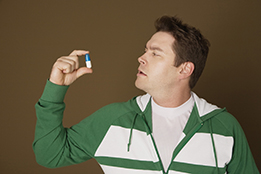
Be cautious about nutritional supplements if you find that
- a product is promising quick results or miracle cures
- a product is offering opinions without any verification by another source
What should you believe about nutrition information? Read “Evaluating Nutrition Information‚ÄîWhat Should You Believe?”